Best Time to Visit Belize: Month-by-Month Weather and Crowds
In this guide
The best time to visit Belize is the dry season, roughly December to May, and February to April in particular, when seas are calmest for reef trips and trails and caves are at their driest. Belize’s National Meteorological Service says April is the driest month and that most of the year’s rain falls from June to November, which overlaps the Atlantic hurricane season (1 June to 30 November). The catch is that the dry months are also high season, with the highest prices around Christmas, New Year and Easter. If you want lower prices and are flexible, late November to mid-December and May are the sweet spots.
This guide covers the seasons, rainfall and temperature by month, the hurricane risk in plain terms, whale shark and other seasonal events, and how to choose by activity. Climate figures are from Belize’s National Meteorological Service and NOAA, read in November 2026.
Belize’s seasons in brief
| Season | Months | Weather | Crowds and prices | Best for |
|---|---|---|---|---|
| Dry, high season | Dec–Apr | Least rain, calmer seas; cool fronts in Dec–Jan | Highest; peaks at Christmas and Easter | Reef trips, Blue Hole, caves, first-timers |
| Late dry, hot | May | Hottest month; rains begin in the south | Falling | Whale sharks, value, divers |
| Early wet | Jun–Aug | Showers, often short; August usually a drier spell | Low, except July holidays | Budget trips, green jungle, lobster season |
| Peak wet and storm season | Sep–Nov | Wettest months; hurricane season peak in Sep–Oct | Lowest; some smaller businesses take a break | Flexible travellers only |
What the official climate data says
The National Meteorological Service’s climate summary gives the key facts:
- Rainy and dry seasons: most rain falls from June to November; the dry season runs roughly from November to May, and April is the driest month.
- When the rain starts: early May in Toledo (the far south), late May in Stann Creek, Belize, Cayo and Orange Walk, and early June in Corozal (the far north).
- North versus south: annual rainfall rises from about 60 inches (1,524 mm) in the north to 160 inches (4,064 mm) in the south. The south has a single peak in July; the centre peaks in June and September; the north spreads its rain more evenly.
- The August dip: most of the country gets a short drier spell in August, known locally as the “Mauga” season.
- Temperature: the mean is about 81°F (27°C) on the coast and 69°F (21°C) in the hills. January is the coolest month and May the hottest.
- Cold fronts reach Belize from October to April, peaking in December and January, bringing wind, cooler nights and occasional grey days.
Average temperatures by area
| Station | Average daily high | Average daily low |
|---|---|---|
| Philip Goldson International Airport (coast, near Belize City) | 86.2°F (30.1°C) | 72.6°F (22.6°C) |
| Central Farm (inland Cayo) | 88.3°F (31.3°C) | 68.9°F (20.5°C) |
| Cooma Cairn (Mountain Pine Ridge) | 77.5°F (25.3°C) | 63.8°F (17.7°C) |
Annual averages, from the National Meteorological Service of Belize.
Month by month
Rainfall below is an approximate monthly average for Belize City’s international airport, calculated from NOAA’s daily weather records for 1991 to 2020 (the record has gaps, so treat these as rough guides). The south of the country is much wetter.
| Month | Approx. rain, Belize City | Approx. average high | What to expect |
|---|---|---|---|
| January | ~105 mm (4 in) | 83°F (28°C) | Coolest month; cold fronts bring windy days; busy |
| February | ~65 mm (2.5 in) | 85°F (29°C) | Dry, pleasant, high season |
| March | ~40 mm (1.6 in) | 86°F (30°C) | Very dry; whale shark season begins; Easter crowds some years |
| April | ~25 mm (1 in) | 88°F (31°C) | Driest month; hot; Easter peak |
| May | ~85 mm (3.3 in) | 90°F (32°C) | Hottest; rains begin in the south; prices fall |
| June | ~290 mm (11 in) | 89°F (32°C) | Rainy season starts in earnest; hurricane season opens |
| July | ~175 mm (7 in) | 89°F (32°C) | Showers; lobster festivals on the cayes |
| August | ~170 mm (6.7 in) | 90°F (32°C) | Often a drier spell; quiet |
| September | ~180 mm (7 in) | 90°F (32°C) | Most active storm month; lowest prices |
| October | ~315 mm (12.5 in) | 88°F (31°C) | Often the wettest month around Belize City; storm risk |
| November | ~250 mm (10 in) | 85°F (30°C) | Rains easing late in the month; hurricane season ends 30 Nov |
| December | ~135 mm (5 in) | 84°F (29°C) | Dry season returns; Christmas peak from about 20 Dec |
Hurricane season, in plain terms
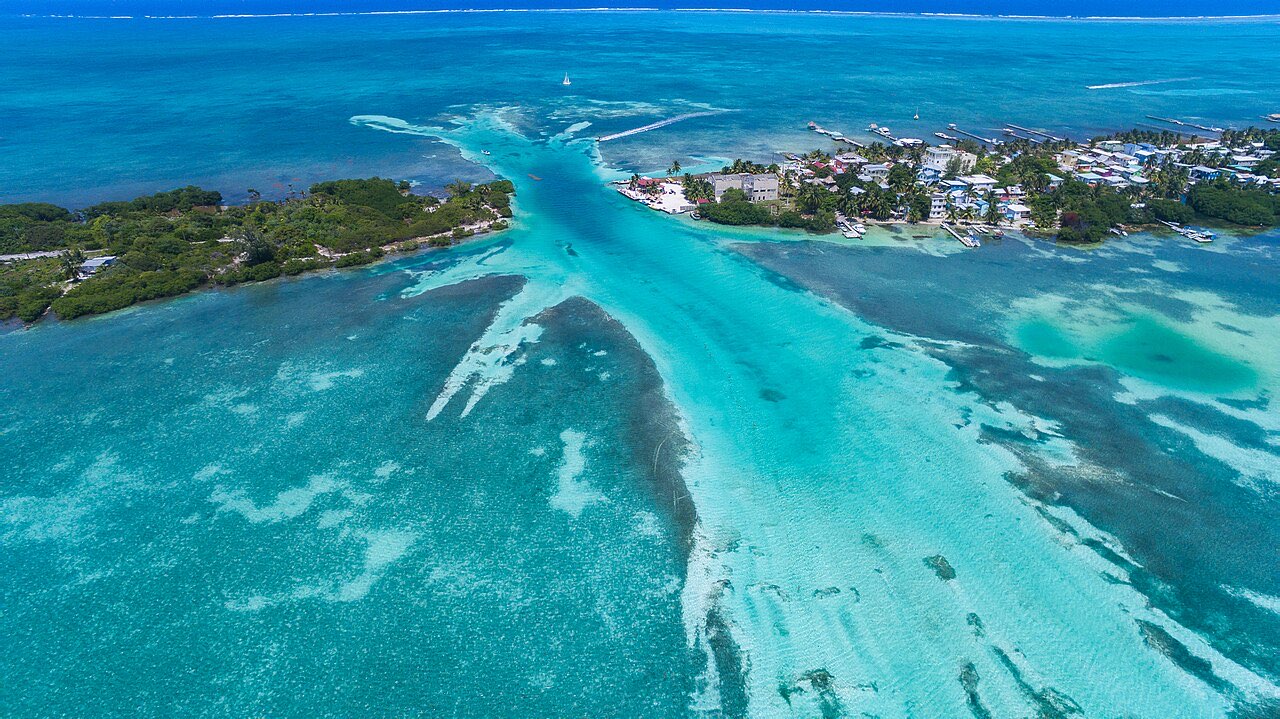
The National Hurricane Center defines the Atlantic hurricane season as 1 June to 30 November, with the Atlantic-wide peak around 10 September and most activity between mid-August and mid-October. An average season (1991 to 2020) produces 14 named storms, 7 hurricanes and 3 major hurricanes across the whole Atlantic basin, most of which never come near Belize.
Belize’s own records show the same pattern for the storms that affect the country: the National Meteorological Service says tropical storms and hurricanes peak in September and October, with September the most active month.
What that means for planning:
- June to August: storms are possible but uncommon; the main nuisance is rain.
- September and October: the highest risk. Book refundable rooms, buy travel insurance that covers weather disruption, and watch the NHC’s outlooks in the week before you fly.
- If a storm threatens: follow Belize’s National Emergency Management Organization (NEMO) and your hotel’s instructions. Boat transfers and island flights are the first services to stop.
Seasonal events worth planning around
Whale sharks (March to June)
The Belize Tourism Board puts whale shark season at March to June, concentrated around the full moons, from about two days before to ten days after. The sharks gather at Gladden Spit off Placencia to feed on spawning fish. Trips are full days in open water with no guarantee of a sighting. See our Placencia guide.
Lobster season and festivals (from summer)
Belize closes its spiny lobster fishery for part of each year, and the reopening is celebrated with lobster festivals on Ambergris Caye, Caye Caulker and in Placencia, usually in late June and July. The exact closed-season dates are set by the Fisheries Department and have changed over the years, so check the current dates if lobster is the point of your trip.
Christmas, New Year and Easter
These are the busiest and most expensive weeks. Tour operators charge peak rates; one San Ignacio operator, for example, raises its ATM Cave price between 20 December and 6 January. Book rooms and popular tours well ahead.
The best time by activity
| If you want to… | Go in | Why |
|---|---|---|
| Snorkel and dive the reef | Feb–May | Calmer seas, fewer cancelled trips |
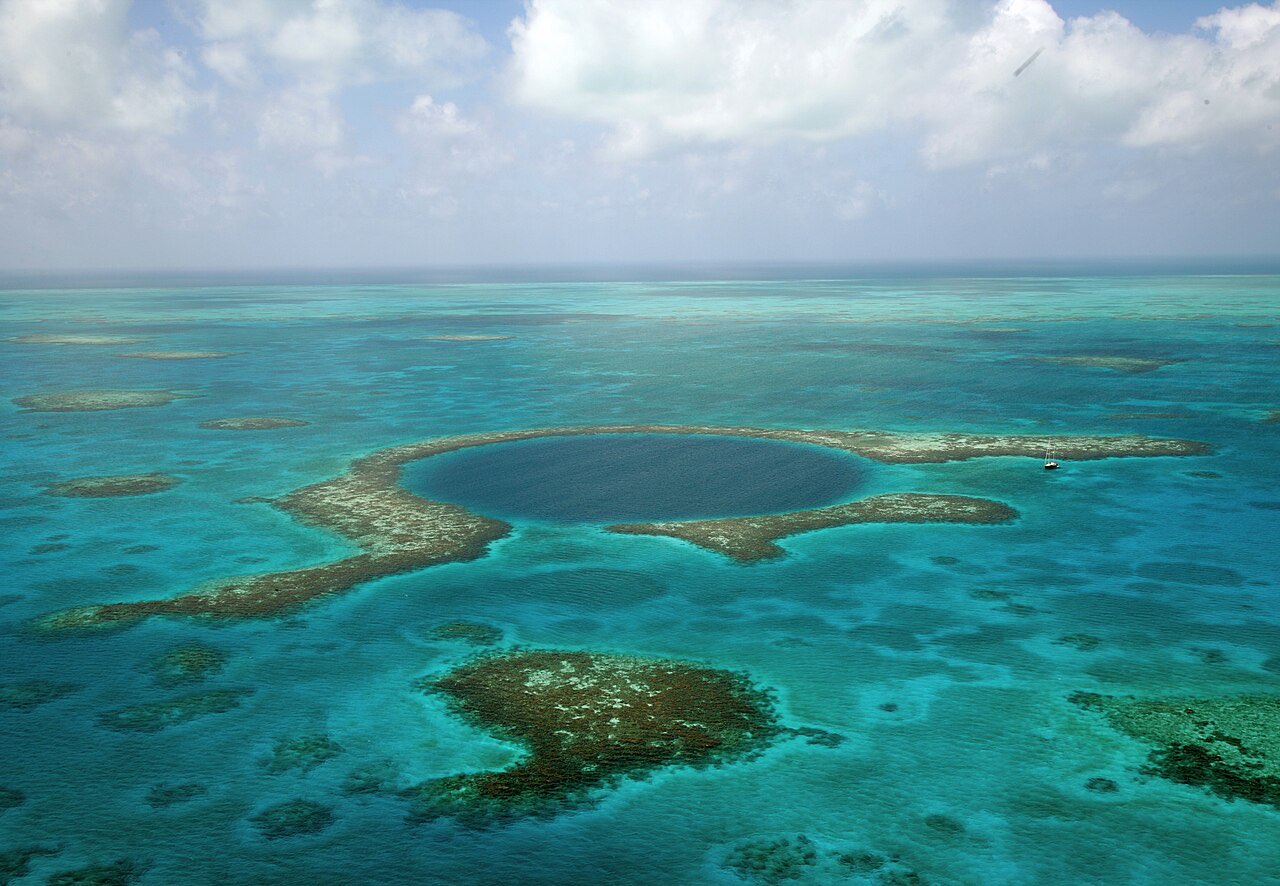
| Dive or snorkel the Great Blue Hole | Mar–May | Long open-water boat ride; calm days matter |
| See whale sharks | Mar–Jun, around full moon | Gladden Spit aggregation |
| Do the ATM Cave and cave tubing | Dec–May | Lower rivers, fewer weather cancellations |
| Visit Caracol | Feb–May | The unpaved stretches are best when dry |
| Save money | May, Jun, late Nov–mid Dec | Shoulder-season rates, fewer people |
| Avoid storms | Dec–May | Outside hurricane season |
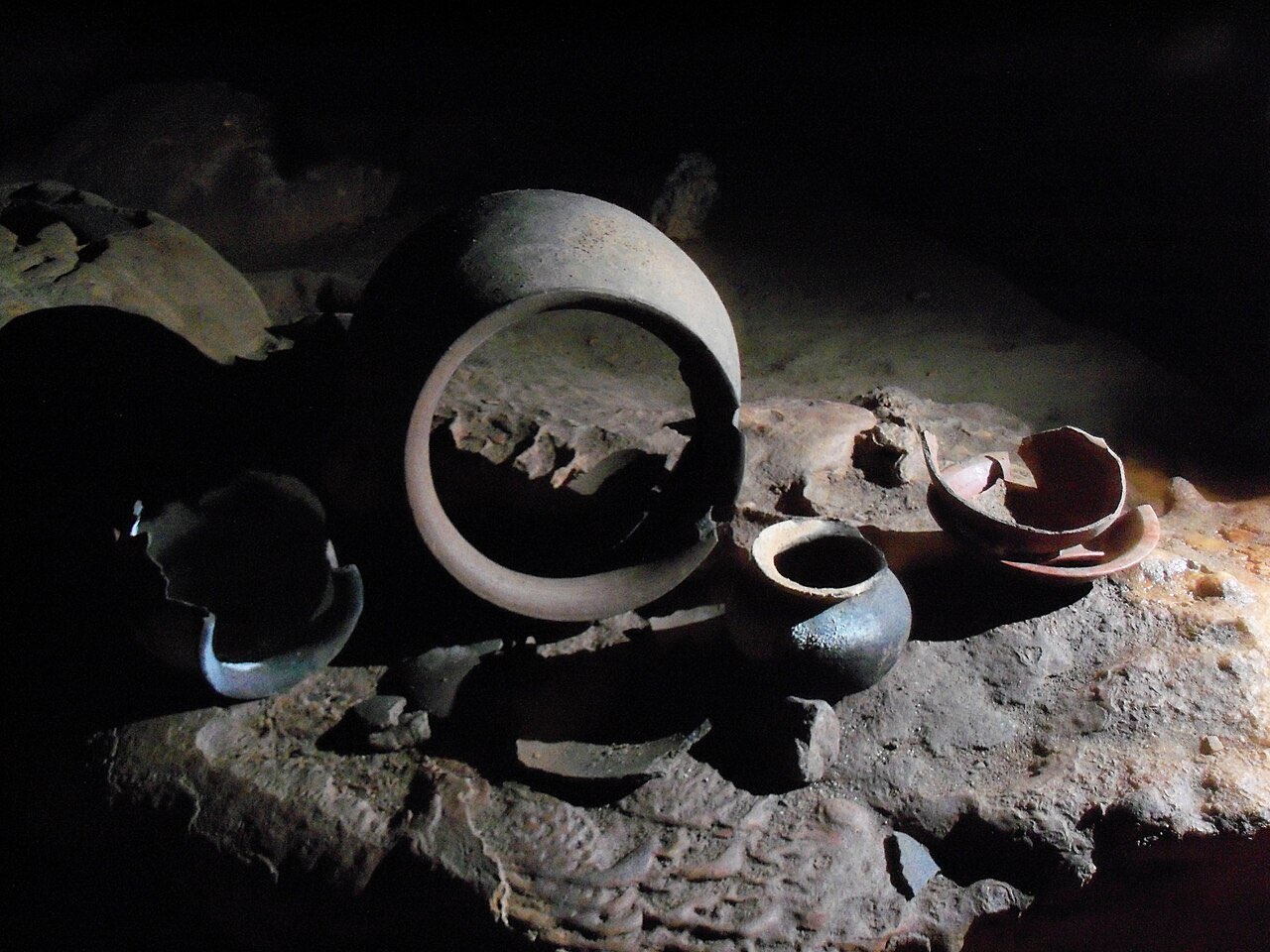
For the caves, the ATM Cave is the most weather-sensitive trip in the country, since high water can close it at short notice. Cave tubing runs year-round but is also affected by heavy rain. The reef side is covered in our Ambergris Caye guide.
Regional differences
Belize is small, but its weather is not uniform:
- The cayes and Belize City sit in the drier north-central zone. Wind and sea state matter more than rain for reef trips.
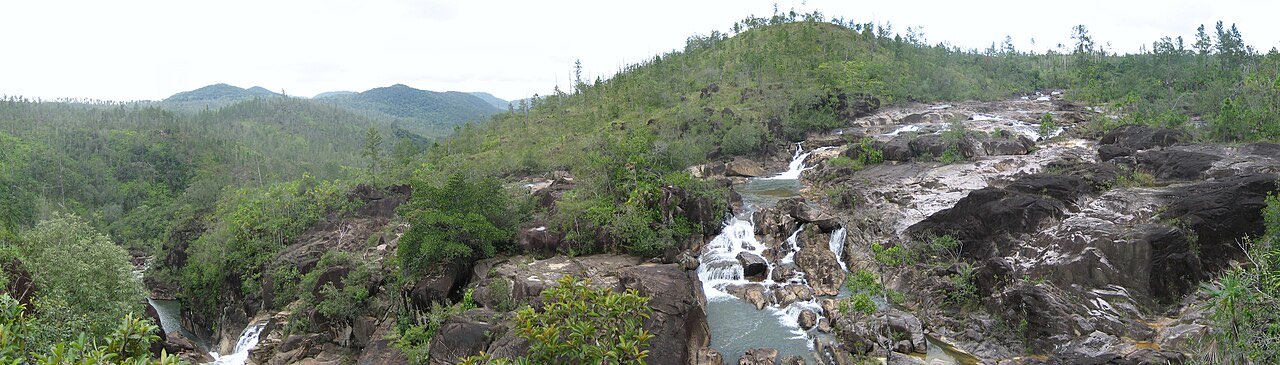
- Cayo District (San Ignacio, the caves and the western ruins) is hotter by day and cooler at night than the coast, and its rivers react quickly to heavy rain, which is what closes cave tours.
- Mountain Pine Ridge and Caracol are the coolest part of the country. Pack a light layer for early starts.
- Stann Creek and Toledo (Hopkins, Placencia and the far south) are the wettest districts, with the rainy season starting in May. If the south is on your list, favour February to April.
How long to stay
A week is enough for two bases, a caye for the reef and San Ignacio for caves and ruins. In the rainy season, add a day or two of slack, because a cancelled boat or cave trip is easier to absorb on a longer trip. Our Belize 7-day itinerary shows how to split the time, and things to do in Belize lists what to fit in.
Mistakes to avoid
Assuming “rainy season” means all-day rain. Many wet-season days are showers and sun; the bigger risk is wind and swell cancelling boat trips.
Booking non-refundable trips in September and October. That is peak storm season.
Leaving Christmas and Easter bookings late. Rooms and the best tour operators sell out.
Planning the far south as if it were the north. Toledo and Stann Creek get much more rain, and their wet season starts earlier.
Forgetting cold fronts. December and January can bring windy, cooler days that close the reef for a day or two.
Before you go
Climate facts are from the National Meteorological Service of Belize; hurricane-season data from NOAA’s National Hurricane Center; whale shark timing from the Belize Tourism Board; monthly rainfall approximations computed from NOAA’s GHCN-Daily records for Philip Goldson International Airport; all read on 16 November 2026. Weather varies year to year, so check forecasts before you travel.
Frequently asked questions
What is the best month to visit Belize?
For most travellers, February to April. Belize's National Meteorological Service says the dry season runs roughly from November to May and that April is the driest month, so late winter and spring give the best odds of calm seas for reef trips and dry trails for caves and ruins. The trade-off is that this is also high season, especially around Easter. Late November and early December are a good compromise: the rains are easing and the Christmas rush has not started.
When is hurricane season in Belize?
The Atlantic hurricane season officially runs from 1 June to 30 November, according to NOAA's National Hurricane Center, with the Atlantic-wide peak around 10 September and most activity between mid-August and mid-October. Belize's National Meteorological Service says tropical storms and hurricanes affecting the country peak in September and October, with September the most active month. A storm is not likely in any given week, but if you travel then, buy travel insurance and keep plans flexible.
What is the rainy season in Belize?
Most of the year's rain falls from June to November. It starts earliest in the far south: the National Meteorological Service says the wet season begins in early May in Toledo, late May in Stann Creek, Belize, Cayo and Orange Walk districts, and early June in Corozal. The south is much wetter overall, about 160 inches (4,064 mm) a year against about 60 inches (1,524 mm) in the north, and there is usually a short drier spell in August.
When can you swim with whale sharks in Belize?
The Belize Tourism Board gives whale shark season as March to June, with the best chances around the full moon, from a couple of days before to about ten days after. The sharks gather at Gladden Spit off Placencia to feed on spawning fish. Sightings are not guaranteed, and the trips are full days in open water, so plan more than one attempt if it is the main reason for your trip.
Is it cheaper to visit Belize in the rainy season?
Generally, yes. Many hotels and tour operators lower rates or run promotions from roughly May to November; one San Ignacio operator, for example, advertises a promotion valid from 1 May to 30 November and charges more over Christmas and New Year. You trade lower prices and fewer people for more rain, more chance of a cancelled boat trip, and some risk of a tropical storm in September and October.
Keep planning
- Things to Do in Belize: Reef, Caves, Ruins and Jungle
The best things to do in Belize by region, with official fees and tour prices: Hol Chan, the Blue Hole, the ATM Cave, cave tubing, Xunantunich, Caracol and more.
Updated Nov 2026 - Ambergris Caye Guide: San Pedro, Reef Trips and Where to Stay
Ambergris Caye guide: getting to San Pedro by water taxi or flight, Hol Chan and Shark Ray Alley snorkel trips and fees, Blue Hole days, and which area to stay in.
Updated Nov 2026 - ATM Cave Belize: Tours, Rules, Fitness and What to Expect
ATM Cave Belize guide: the BZ$60 (US$30) entry ticket, why you need a certified guide, the no-camera rule, how hard the swim and climb are, and how to book.
Updated Nov 2026